


nose around a little
unleash your
inner shower
make the most of your me-time and reconnect with the best version of yourself. method's got your back with irresistible, mood-boosting products that make you feel good inside and out.
are so spa core
view productsshower me earthy + surfy
view productssmell like a vacation
view productstickle me pink
view productspump with purpose
view productswork it, work it
view productssurprise me
view productscover the basics
view productslive love lavender
view productsit seems our suds are something of a scent-sation
our fave raves
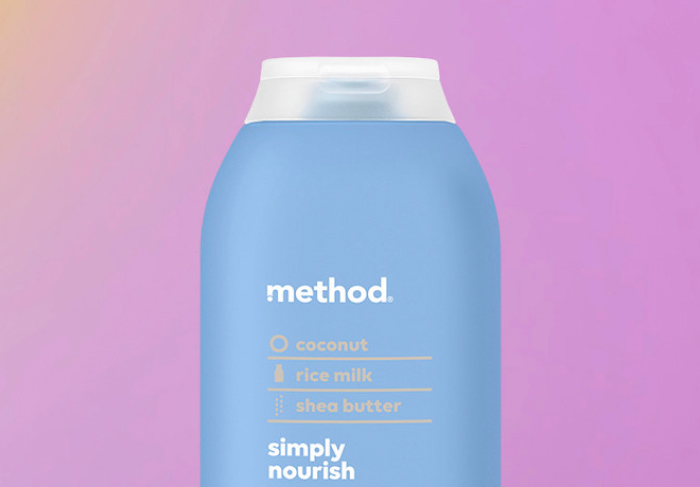
so moisturized
“I love this shampoo!... My hair has never felt so healthy and nourished!” -teef8
Shop Now and view our simply nourish shampoo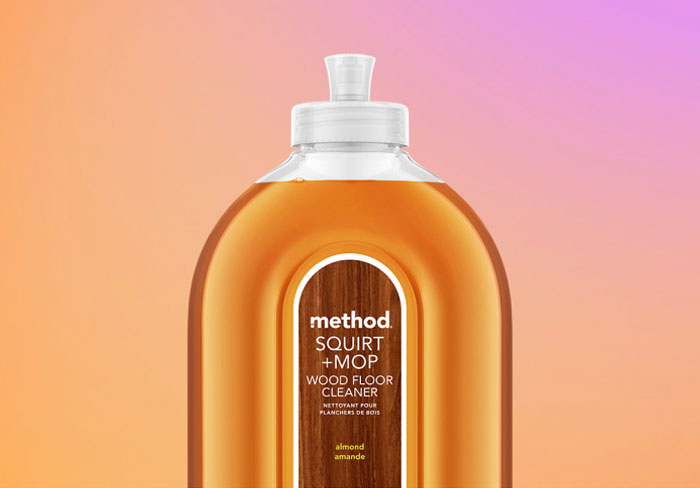
addictive
“leaves amazing results on the floor and the scent is addictive.” -Magical Maids
Shop Now and view our squirt +mop hardwood cleaner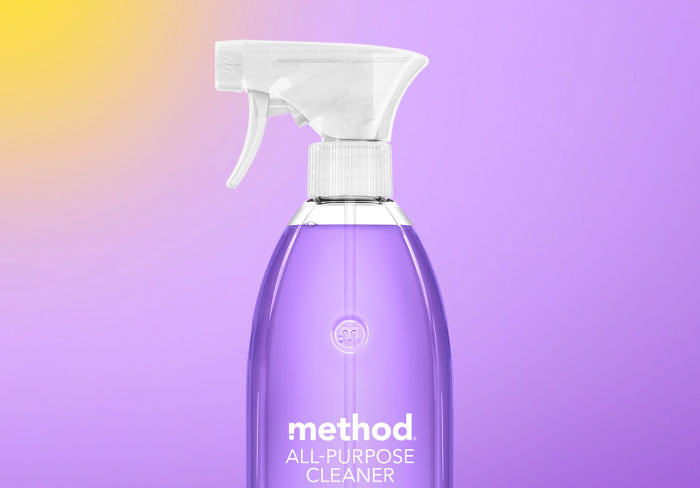
my go-to
“this is my go to. It works well, I use it on everything and it smells so good! -lilheathz
Shop Now and view our french lavender all-purpose cleaner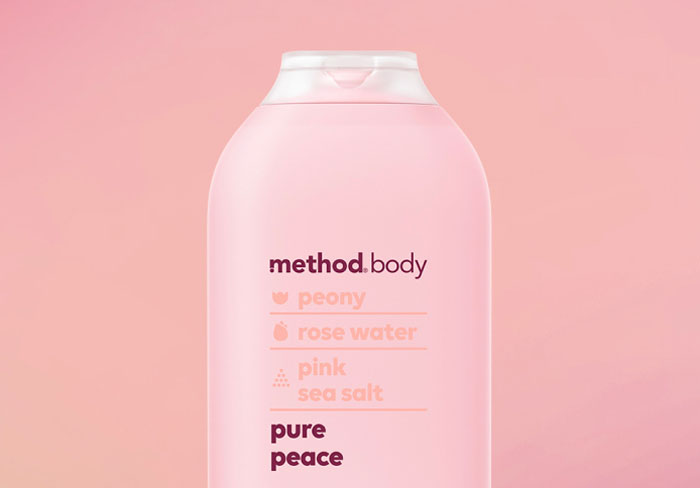
amazing
“Lathers well, smells amazing, scent actually lasts on the skin, moisturizes well” -Mickey
shop now pure peace body washwhat color is your
happy place?
find suds + sprays that match your style
Your happy place is:
tap the color wheel to change colors
join people
against dirty
clean for a cause and watch your impact climb when you sign up for our do-good rewards program.
Loading results...